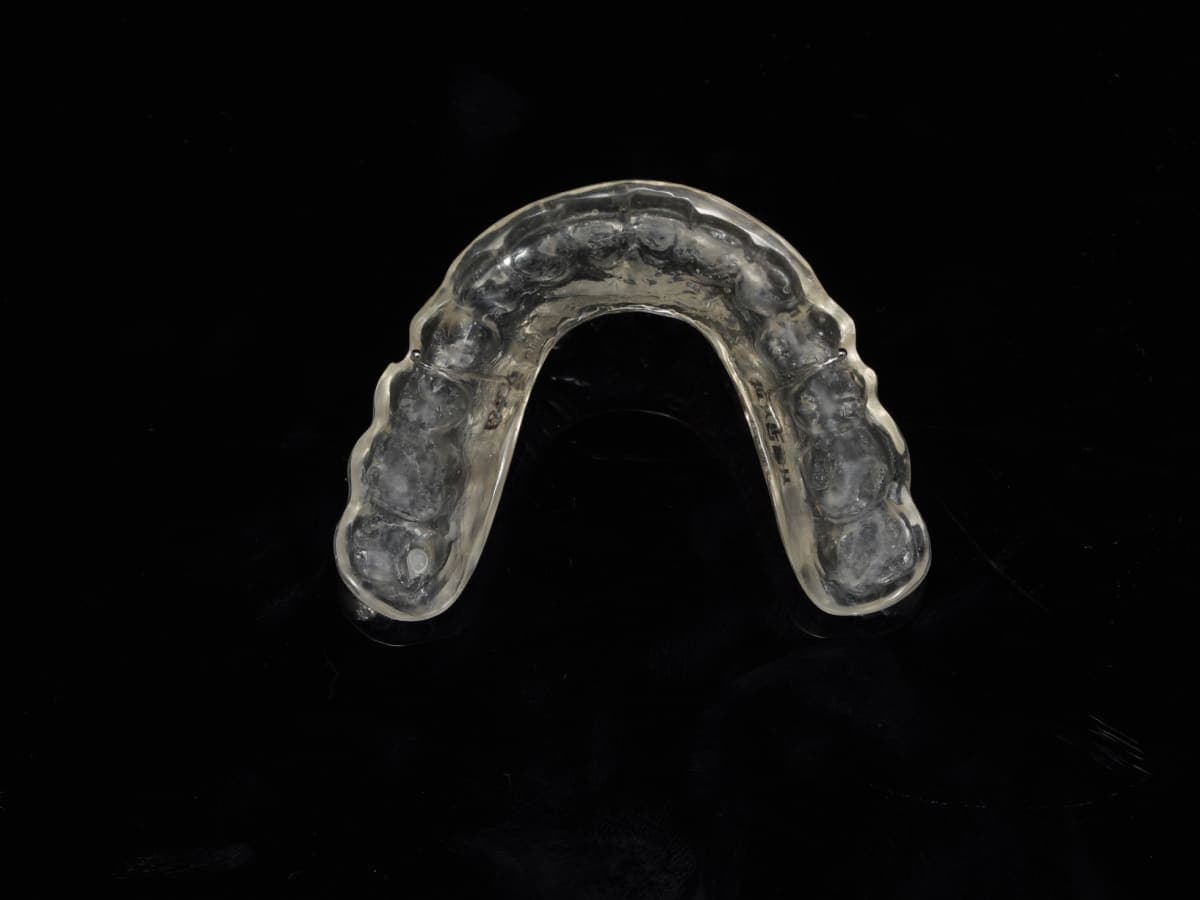
Occlusal splint used to treat teeth grinding and TMJ disorders

TMJ & JAW BOTOX

If your jaw hurts or clicks,
we find the cause first

Jaw joint disorders, grinding and clenching, and overdeveloped jaw muscles. We diagnose the cause of your symptoms first, then combine an occlusal splint, physical therapy, medication and Botox to suit your condition.

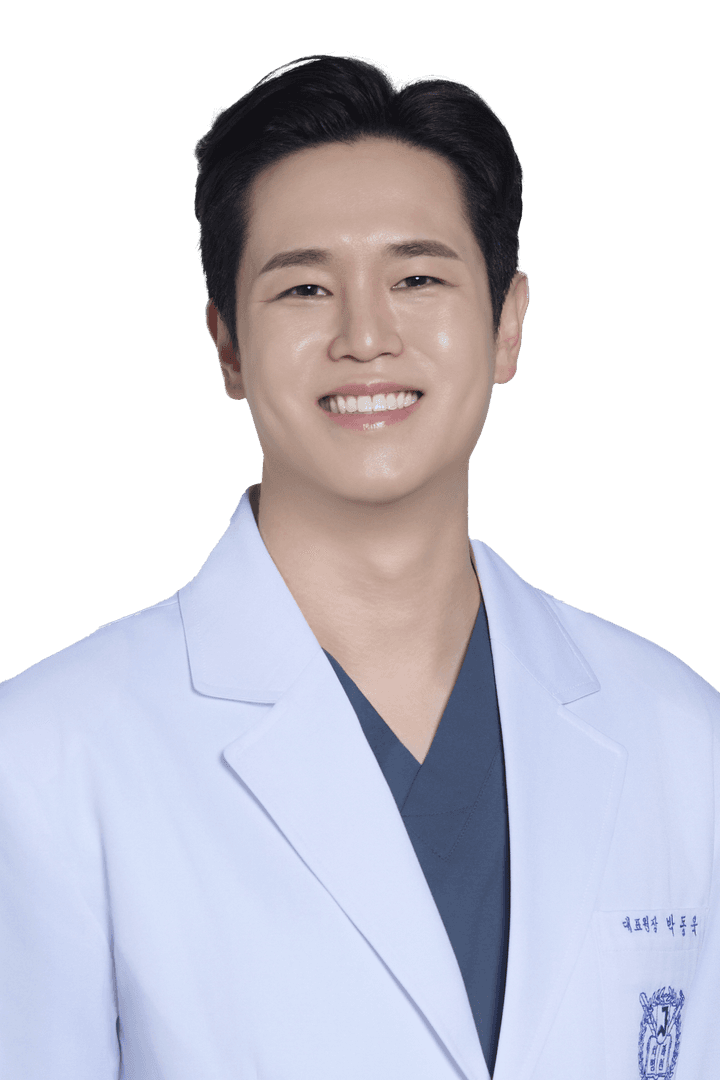
Dr. Park Dong-Uk (Director, Oral & Maxillofacial Surgery Specialist)

TMJ disorder

Conservative care

Grinding

Occlusal splint

Square jaw · pain

Jaw Botox

SELF CHECK

Do any of these
sound familiar?

Tap each item that applies to you.

0of 8 apply

Tap the items that apply to you.

This self-check is for reference only; your actual condition can be confirmed at an examination.

CAUSE

TMJ disorders come from
several causes at once

The same pain is treated differently depending on whether it comes from the joint or the muscles. Daily habits need attention too, so it does not come back.

  1. 01

    Grinding and clenching

    Grinding your teeth in your sleep or clenching unconsciously during the day keeps the jaw joint and chewing muscles from resting.

  2. 02

    Chewing on one side

    Chewing on only one side or resting your chin on your hand upsets the balance of force between the left and right joints.

  3. 03

    Stress and tension

    Under tension, the muscles of the jaw and neck tighten, which easily leads to pain and headaches.

  4. 04

    Bite problems

    Teeth that do not meet evenly, or restorations at the wrong height, strain the movement of the jaw.

  5. 05

    Injury

    Symptoms sometimes begin after a fall or a blow to the jaw.

TREATMENT

Conservative treatment,
starting without surgery

Most TMJ disorders are managed without surgery. Based on the diagnosis, we combine the treatments below.

01

OCCLUSAL SPLINT

Occlusal splint

A custom appliance made from an impression, mainly worn at night. It eases the load on the joint and muscles and stops grinding from wearing down the teeth.

02

PHYSICAL THERAPY

Physical therapy

Releasing tight muscles around the jaw reduces pain and smooths jaw movement. We also show you jaw exercises you can do at home.

03

MEDICATION

Medication

When pain and inflammation are severe, anti-inflammatory painkillers or muscle relaxants help control the symptoms.

04

BOTOX

Botox

Botox injected into over-tense chewing muscles reduces their force, helping relieve pain from grinding and clenching.

05

HABIT CONTROL

Habit correction

Together we reduce habits that aggravate symptoms — resting your chin on your hand, chewing on one side, hard or tough foods, and daytime clenching.

If damage to the joint structure is severe enough to need surgery, we refer you promptly to a university hospital such as Seoul National University Dental Hospital.

JAW BOTOX

Jaw Botox —
why at a dental clinic

Jaw Botox is injected into the masseter, the main chewing muscle, to reduce its excess force. At a dental clinic we look not only at the muscle but also at your bite, grinding and jaw joint before deciding where and how much to inject.

01

Less grinding and clenching

Reducing excess force in the chewing muscles takes strain off the teeth and the jaw joint.

02

Relief of jaw muscle pain

As a tight masseter relaxes, pain around the jaw and temple headaches can ease.

03

A softer jawline

As a well-developed masseter shrinks in volume, an angular, square jawline can become softer.

The procedure

  1. 01

    STEP 01

    Consultation and muscle check

    You clench so we can feel the position and thickness of the masseter, and we also look at grinding and your bite.

  2. 02

    STEP 02

    Marking the injection points

    We decide the points and dose, avoiding the salivary gland, nerves and the muscles used for smiling.

  3. 03

    STEP 03

    Injection

    Injected with a fine needle; the procedure takes about 10 minutes and you can return to daily life right away.

ONSET

2–4 weeks

The muscle gradually slims and the effect appears

DURATION

3–6 months

When the muscle builds up again, we discuss a repeat

Onset and duration vary with muscle thickness and lifestyle.

After the procedure

  • —On the day of the procedure, do not rub or massage the injection area hard
  • —Avoid saunas, alcohol and strenuous exercise that day
  • —While the effect develops, cut back on tough, chewy foods

BRUXISM

If you grind your teeth
in your sleep

Grinding happens while you sleep, so it is hard to notice yourself. If family members have heard you grinding, or you notice the signs below, it is worth having it checked.

  • —My jaw feels stiff or my temples ache in the morning
  • —The edges of my teeth are worn flat
  • —More of my teeth are sensitive to cold
  • —A tooth or restoration has cracked or broken

Occlusal splint (night guard)

Worn while you sleep, it keeps teeth from grinding directly against each other and eases the load on the jaw joint.

Botox

Reduces the force of the chewing muscles themselves, lowering the intensity of grinding.

Stress and sleep habits

Habits that help you relax, and cutting back on caffeine and alcohol before bed, help ease grinding.

If you have implants or crowns, grinding can break restorations or damage implant components, so closer care is needed.

YOUR DOCTOR

TMJ care and jaw Botox,
treated by our director himself

Dr. Park Dong-Uk, Director

DIRECTOR · ADJUNCT PROFESSOR

Dr. Park Dong-Uk

Oral & Maxillofacial Surgery Specialist · Integrated Dentistry Specialist

“The depth of a Seoul National University–trained specialist, with the warmth of caring for family.”

  • —Board-certified Oral & Maxillofacial Surgery Specialist (Ministry of Health and Welfare)
  • —Board-certified Integrated Dentistry Specialist (Ministry of Health and Welfare)
  • —PhD in Oral & Maxillofacial Surgery, Seoul National University School of Dentistry
  • —First author, implant-related paper in an international SCI journal (Journal of Dental Sciences, 2022)
  • —Intern, Regional Trauma Center, Gachon University Gil Medical Center
  • —Resident, Oral & Maxillofacial Surgery, SNU Boramae Medical Center
  • —Adjunct Professor, Oral & Maxillofacial Surgery, SNU Boramae Medical Center
Implants & full-arch implantsWisdom tooth extractionGummy smileGum graftingTMJ & jaw BotoxOral cancer screeningSedation
Meet the whole team

FAQ

TMJ & jaw Botox FAQ

We answer every last question, carefully and in full.

Jaw noises, pain and difficulty opening the mouth are signs of a temporomandibular joint (TMJ) disorder. Our oral & maxillofacial surgery specialist diagnoses the cause and combines treatments such as an occlusal splint, physical therapy, medication and Botox.

LOCATION

2 minutes on foot
from Gaerong Station, Exit 3

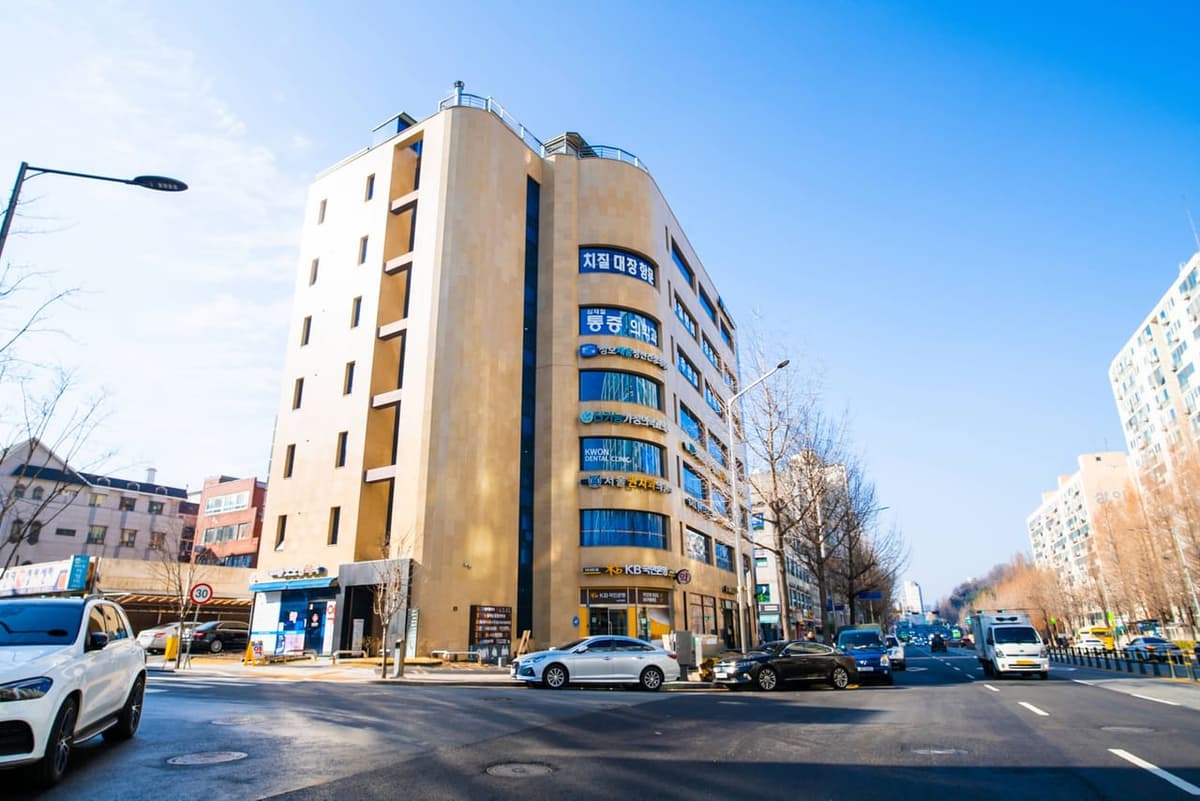
Seoul Kwon Dental Clinic building exterior
ADDRESS
3F, 174-14 Garak-dong, Songpa-gu, Seoul, Korea
2-minute walk from Exit 3 of Gaerong Station (Line 5) · 3rd floor of the KB Kookmin Bank / Starbucks building
PHONE
+82-2-6952-2788 (in Korea: 02-6952-2788)
PARKING
Parking is available in the building — please ask at the front desk when you arrive.
HOURS

Open on public holidays, too

Mon · Thu (late hours)09:30 – 21:00
Tue · Wed · Fri09:30 – 18:30
Sat · Public holidays09:30 – 14:00
Lunch break (weekdays)13:00 – 14:00
SundayClosed

Open until 9 p.m. on Mondays and Thursdays, and until 2 p.m. on Saturdays and public holidays. Closed on Sundays.

KEEP WHAT'S ORIGINAL & NATURAL

Through your teeth,
we see your life

Just leave your symptoms and contact details —
the dentist in charge will review them and get back to you.