STAGE 1 · ENAMEL
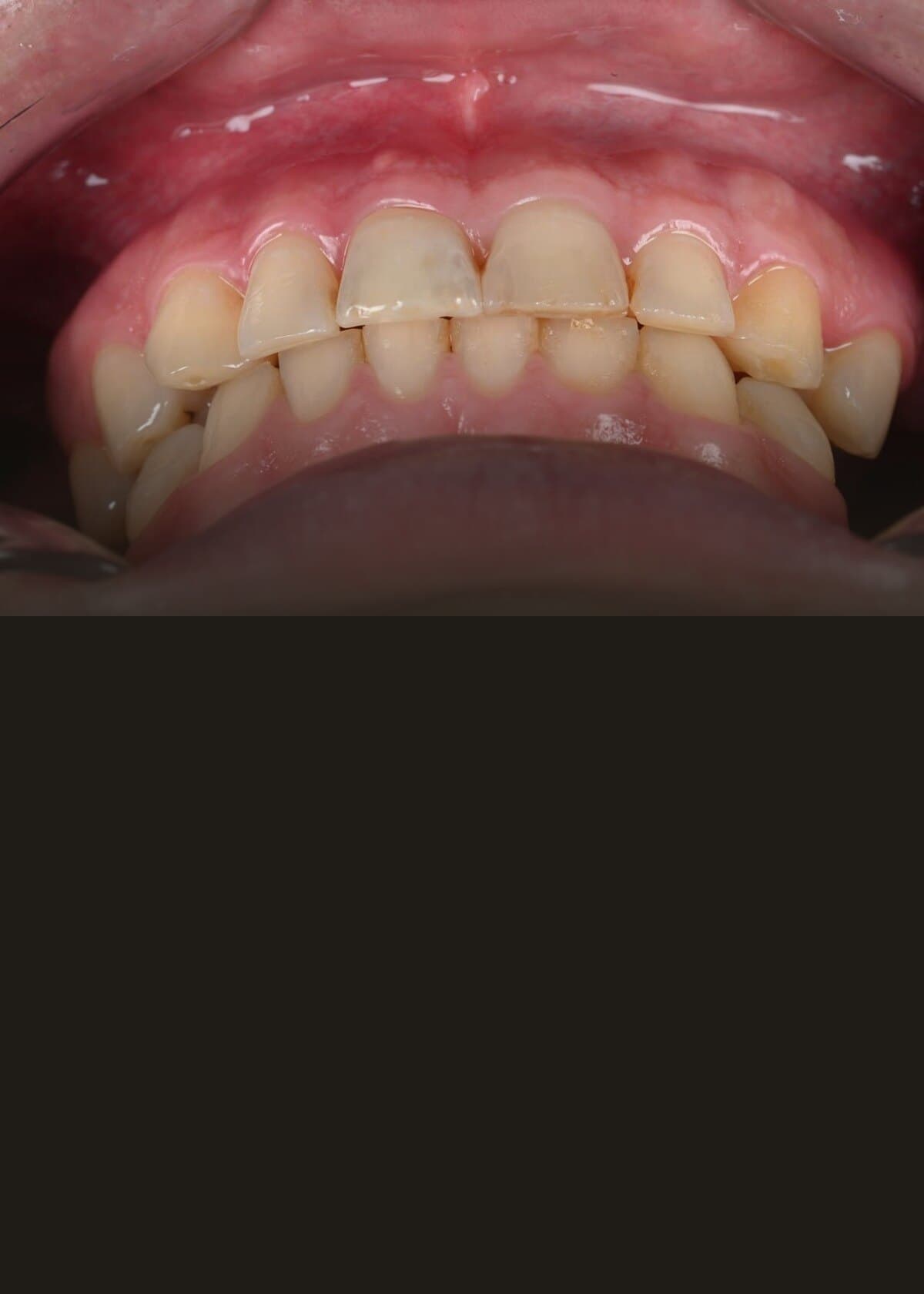
Enamel decay
Only the outermost layer of the tooth is affected, and there is usually no pain. The surface may look white or brown.
ObservationFluorideSealantsPreventive resin
CONSERVATIVE DENTISTRY
Cavities · root canals · re-treatment.
Only what is necessary, treated by a dentist dedicated to conservative care.
Dr. Kim Sue-A · Conservative Dentistry Specialist
SAVE THE NATURAL TOOTH
Saving natural teeth is the foundation of dentistry. We plan treatment to extend the life of your natural teeth for as long as possible.
ROOT CANAL CARE
Care by a conservative dentistry specialist
Cavity and root canal treatment are provided personally by Dr. Kim Sue-A, a board-certified conservative dentistry specialist.
The first step in all dental care is protecting teeth from decay and gum disease. We keep as much healthy tooth as possible and remove only the decayed part precisely, so you can chew comfortably for a long time.
Dr. Kim Sue-A, our board-certified conservative dentistry specialist, personally diagnoses and treats cavities, root canals and root canal re-treatments.
Nothing compares to your own tooth. Before recommending extraction, we check carefully whether a root canal or re-treatment can save it.
When an inlay or crown is needed, it is made in our in-house Design Lab. The dentist who treated you talks directly with the technician for a more precise fit.
STAGES OF DECAY
No pain does not mean no problem. The earlier decay is found, the less tooth we remove and the simpler treatment becomes.
STAGE 1 · ENAMEL
Only the outermost layer of the tooth is affected, and there is usually no pain. The surface may look white or brown.
STAGE 2 · DENTIN
Decay has reached the dentin and can be seen on X-rays or by eye. Cold or sweet foods cause sensitivity, and decay progresses faster.
STAGE 3 · PULP
The nerve becomes inflamed, causing throbbing pain and strong sensitivity to hot and cold. Pain may get worse at night.
ROOT CANAL TREATMENT
Root canal (endodontic) treatment removes an inflamed nerve and disinfects the inside of the root, saving the tooth without extraction.
STEP 01
With X-rays — and 3D CT when needed — we first check the extent of inflammation, the number of roots and how curved they are. This is where we judge whether the tooth can be saved.
STEP 02
After thorough anesthesia, the decay and inflamed nerve tissue are removed. Pain during treatment is controlled with anesthesia.
STEP 03
The canals inside the root are cleaned with dedicated instruments and disinfecting solution, and shaped so they can be filled well.
Usually 2–4 visits, depending on inflammation
STEP 04
The cleaned canals are sealed completely with biocompatible material so bacteria cannot get back in.
STEP 05
A tooth that has had a root canal loses moisture and becomes brittle. A crown made in our in-house lab protects it so it lasts.
RE-TREATMENT
If pain or gum swelling returns in a tooth that has already had a root canal, first find out whether re-treatment can save it. It is a demanding procedure, where experience with root canal treatment matters most.
A missed canal
Part of a complex, branching canal system was left untreated.
Incomplete seal
The filling was insufficient, or a gap formed over time and bacteria got back in.
Crown gap · recurrent decay
The edge of a crown opened up, or decay formed underneath it.
Cracked tooth
A fine crack in the tooth or root keeps causing inflammation.
STEP 01
X-rays and 3D CT show inflammation at the root tip and the condition of the existing filling.
STEP 02
The crown and root filling are carefully removed to reopen the way for treatment.
STEP 03
Missed canals and infected areas are found and disinfected again.
STEP 04
The canals are sealed completely again and the tooth is protected with a new crown.
YOUR DOCTOR

DIRECTOR · ADJUNCT PROFESSOR
Oral & Maxillofacial Surgery Specialist · Integrated Dentistry Specialist
“The depth of a Seoul National University–trained specialist, with the warmth of caring for family.”

SENIOR DENTIST, CONSERVATIVE DENTISTRY
Board-certified Conservative Dentistry Specialist
“I specialized in conservative dentistry because a natural tooth is the best tooth.”
FAQ
We answer every last question, carefully and in full.
Early cavities limited to the enamel can be managed with observation, fluoride and preventive care. Once decay reaches the dentin it is treated with resin or an inlay, and if it reaches the nerve, root canal treatment is needed. Our dentist dedicated to conservative care treats only the extent that is truly necessary.
LOCATION

Open on public holidays, too
| Mon · Thu (late hours) | 09:30 – 21:00 |
|---|---|
| Tue · Wed · Fri | 09:30 – 18:30 |
| Sat · Public holidays | 09:30 – 14:00 |
| Lunch break (weekdays) | 13:00 – 14:00 |
| Sunday | Closed |
Open until 9 p.m. on Mondays and Thursdays, and until 2 p.m. on Saturdays and public holidays. Closed on Sundays.
KEEP WHAT'S ORIGINAL & NATURAL
Just leave your symptoms and contact details —
the dentist in charge will review them and get back to you.