01Measured dosing
BeforeDOSAGE
- —Blood pressure and blood sugar checks; review of medical history and medications
- —Dose planned for your weight and health
- —Collaboration with internal medicine when needed
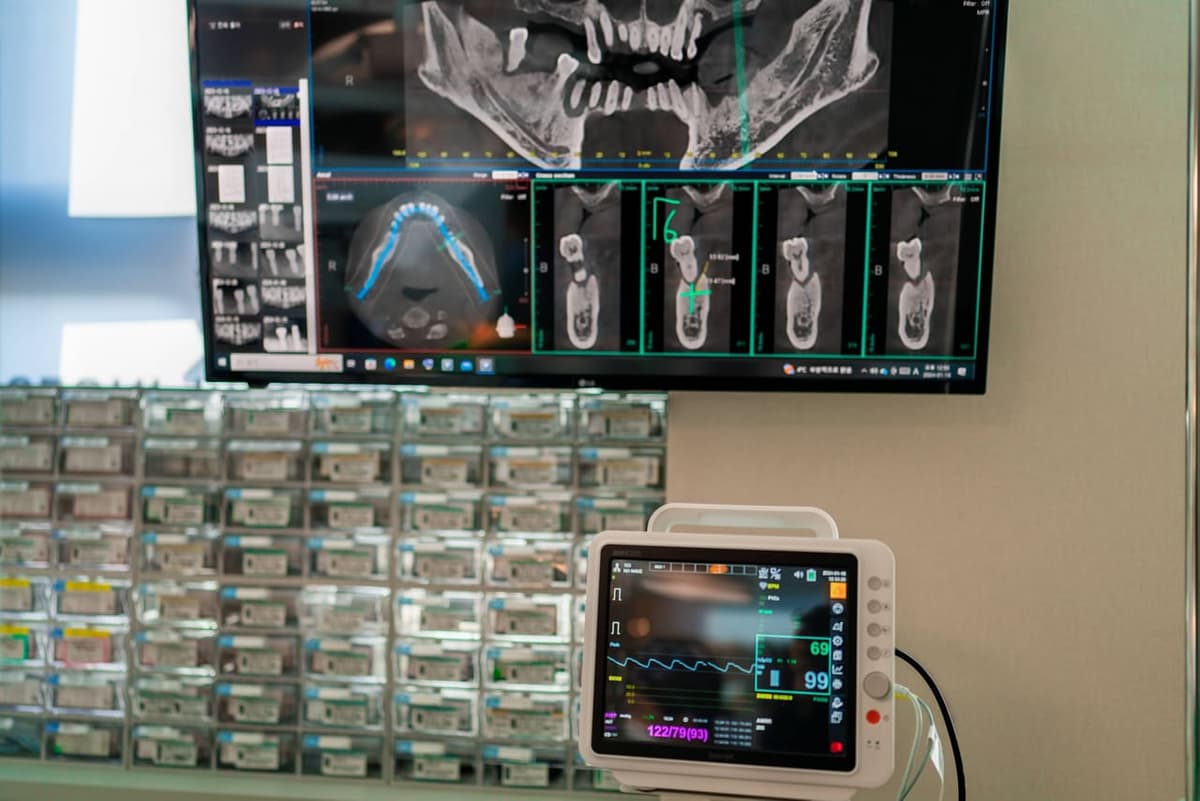
CONSCIOUS SEDATION
For people who tense up at the very sound of a dental clinic, or who worry about long surgery, our oral & maxillofacial surgeon manages conscious sedation himself.
Managed by Dr. Park Dong-Uk (Director, Oral & Maxillofacial Surgery Specialist)
Oxygen saturation
Watched live
Pulse · ECG
Continuous
Reversal agent
On hand
WHAT IS SEDATION
Often called “sleep dentistry,” it uses medication to ease tension and anxiety so you can receive treatment in a relaxed state. Pain is controlled at the same time with local anesthesia.
FOR WHOM
Strong dental anxiety
People who have put off treatment because even the sounds or smells of a dental clinic make them tense
A strong gag reflex
People who gag when instruments go into the mouth, making treatment difficult
Long surgery
Long procedures such as full-arch implants, bone grafts or sinus lifts
Several extractions at once
Removing several wisdom teeth together, or several teeth before full-arch implants
Depending on your health, we may recommend another approach instead of sedation. When needed, we plan safely together with internal medicine.
SAFETY FIRST
01
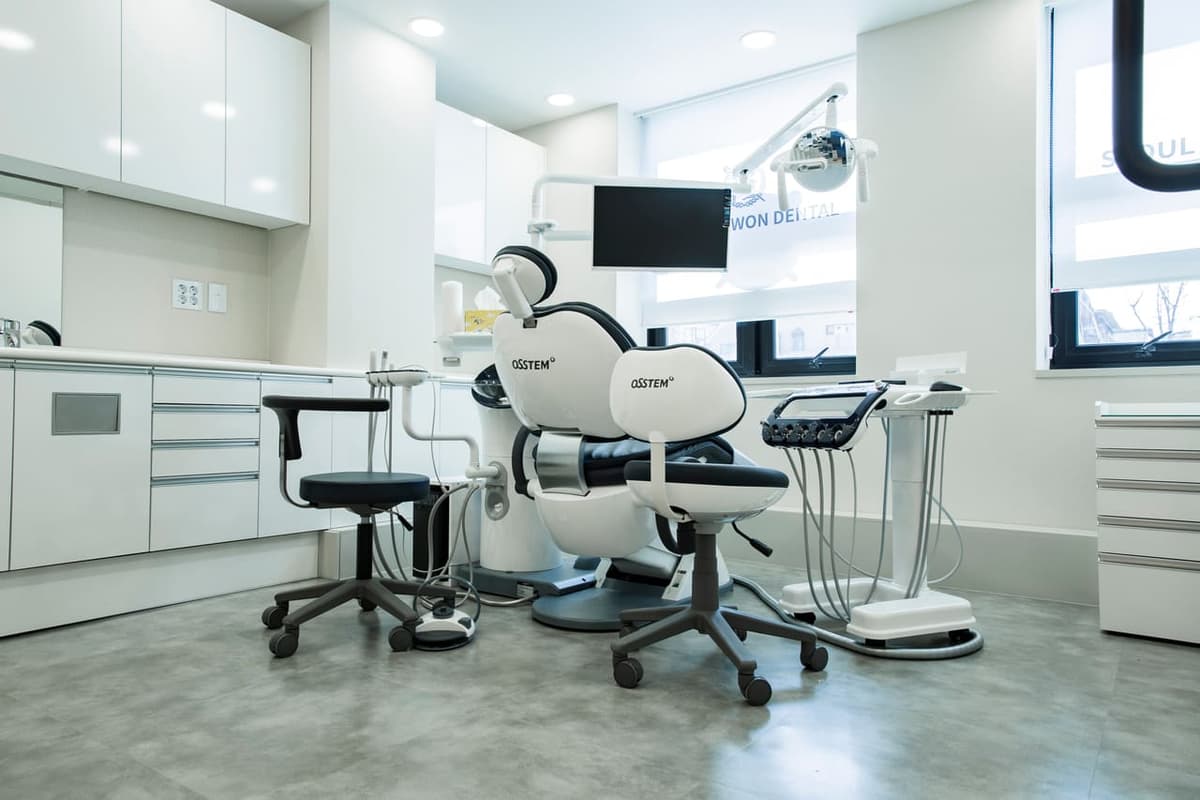
Once you decide on sedation, you should be treated somewhere that can respond immediately to any emergency. Sedatives have antidotes, but relying on the antidote alone is not enough.
02
Only a small dose matched to your weight and health is given. To balance comfort and safety, we use two medications with their characteristics in mind.
MidazolamMIDAZOLAM
The most widely used sedative. It has a reversal agent (antidote), allowing a quick response if anything unexpected happens. However, some people do not fall fully asleep or may wake during treatment.
KetamineKETAMINE
Fast-acting with a pain-relieving effect, it reduces the chance of waking that can occur with midazolam alone. Most people sleep comfortably, though some may feel nausea or have dreams.
03
During sedation, watching the patient continuously matters most. We measure from start to finish so we can respond immediately to any reading outside the normal range.
Oxygen saturation
LIVE
Pulse
LIVE
ECG
LIVE
04
3-STEP SAFETY PROTOCOL
From before treatment until you go home, three layers of safety are followed without exception.
01Measured dosing
BeforeDOSAGE
02Continuous monitoring
DuringMONITORING
03Emergency preparedness
During · afterEMERGENCY READY
DAY OF TREATMENT
When the medication is stopped you wake up naturally, and a reversal agent is used if recovery is slow. We help you home once you are almost fully awake, but some effect may remain, so please follow the points below that day.
BEFORE
AFTER
YOUR DOCTOR
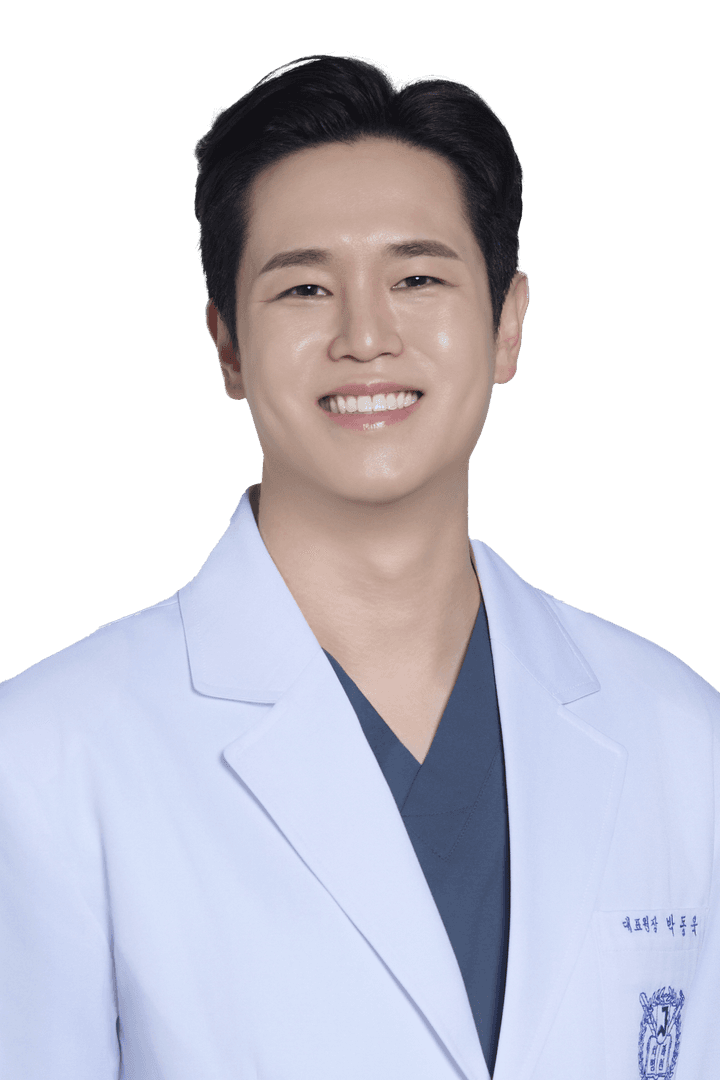
DIRECTOR · ADJUNCT PROFESSOR
Oral & Maxillofacial Surgery Specialist · Integrated Dentistry Specialist
“The depth of a Seoul National University–trained specialist, with the warmth of caring for family.”
FAQ
We answer every last question, carefully and in full.
We follow a 3-way safety protocol: measured dosing, continuous monitoring of oxygen saturation, pulse and ECG, and emergency preparedness. We primarily use medications that have a reversal agent, and our oral & maxillofacial surgery specialist manages sedation personally.
LOCATION

Open on public holidays, too
| Mon · Thu (late hours) | 09:30 – 21:00 |
|---|---|
| Tue · Wed · Fri | 09:30 – 18:30 |
| Sat · Public holidays | 09:30 – 14:00 |
| Lunch break (weekdays) | 13:00 – 14:00 |
| Sunday | Closed |
Open until 9 p.m. on Mondays and Thursdays, and until 2 p.m. on Saturdays and public holidays. Closed on Sundays.
KEEP WHAT'S ORIGINAL & NATURAL
Just leave your symptoms and contact details —
the dentist in charge will review them and get back to you.