Clear aligners
CLEAR ALIGNERA series of clear trays is changed step by step to move the teeth gradually.
Hard to noticeRemovable for meals and brushing
NoteThey must be worn 20+ hours a day to work, and they have limits for complex tooth movement.
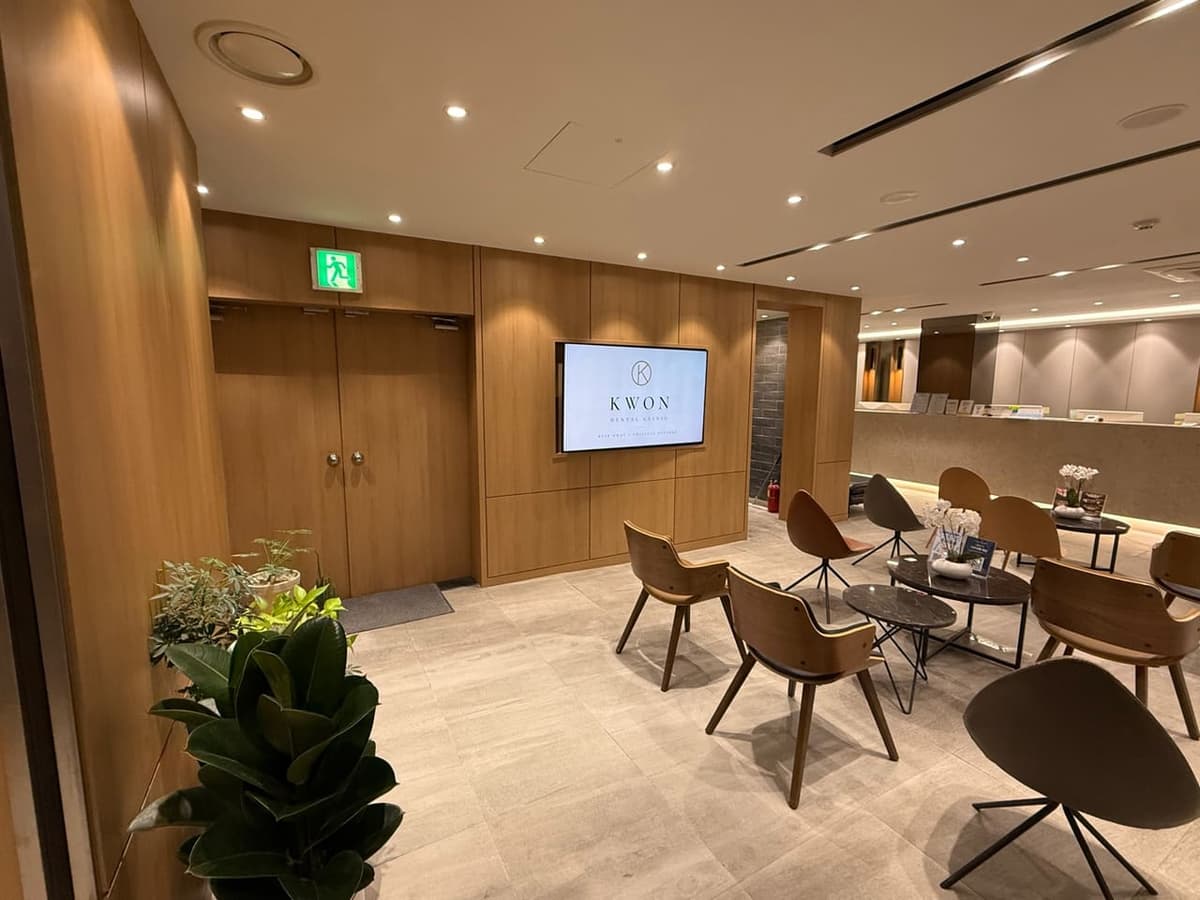
ORTHODONTICS
Clear aligners · partial · full · lingual braces.
We check your teeth and gums first, then explain your options.
Dr. Lee Eun-Byul · Senior Dentist
WHO NEEDS IT
Even the same crowding can call for different methods depending on its cause and the condition of your gums and bone. We first check your teeth and gums with a detailed examination, then explain the options and their pros and cons honestly.
TYPES
Each method has cases it suits and limits. We choose the right one together, based on your diagnosis.
A series of clear trays is changed step by step to move the teeth gradually.
NoteThey must be worn 20+ hours a day to work, and they have limits for complex tooth movement.
Only the teeth that need it — such as a few front teeth — are moved. Mainly used for gaps or mild crowding.
NoteIf the overall bite is off, partial treatment alone will not solve it.
Small brackets are bonded to the teeth and wires correct the whole arch and the bite together.
NoteTreatment takes longer, and you need to clean around the brackets more carefully.
Brackets are placed on the inside (tongue side) of the teeth, so they are almost invisible from outside.
NoteAt first the tongue touches the brackets, so speech and eating take some getting used to.
PROCESS
STEP 01
We ask what bothers you, the result you want, and your routine (work, school, time for care).
STEP 02
Intraoral scans, X-rays and facial and dental photos show tooth alignment, bite and jawbone condition.
STEP 03
We explain the possible methods, expected duration, whether extractions are needed, and the pros and cons of each.
STEP 04
Any cavities or gum inflammation are treated first so you start in a healthy state.
STEP 05
You visit about every 4–6 weeks so we can check tooth movement and adjust the appliance.
Clear aligners are checked on the tray-change schedule
STEP 06
Once the teeth are settled, the appliance is removed and retainers are made.
Partial treatment
6 months – 1 year
Full treatment
1.5 – 2 years
These are typical ranges; the actual duration depends on your teeth, the method and how consistently the appliance is worn. We give you an accurate estimate after diagnosis.
RETENTION
Right after treatment, teeth tend to move back toward where they were. Wearing your retainer consistently is the key to keeping the result.
FIXED
A thin wire is bonded behind the front teeth. It is invisible and needs no handling, but you need to floss so tartar does not build up around the wire.
REMOVABLE
A clear appliance you put in and take out. Right after treatment it is worn for long hours, and once the teeth are stable it is mainly worn at night.
YOUR DOCTOR

DIRECTOR · ADJUNCT PROFESSOR
Oral & Maxillofacial Surgery Specialist · Integrated Dentistry Specialist
“The depth of a Seoul National University–trained specialist, with the warmth of caring for family.”

SENIOR DENTIST, CONSERVATIVE DENTISTRY
KAIST · Kyungpook National University School of Dentistry
“Orthodontics and resin, without rushing — we look first at what will feel right.”
FAQ
We answer every last question, carefully and in full.
If your gums and teeth are healthy, orthodontic treatment is possible at any age. Adults can reduce the esthetic burden with partial braces or clear aligners, and we recommend the most suitable method after a detailed examination.
LOCATION
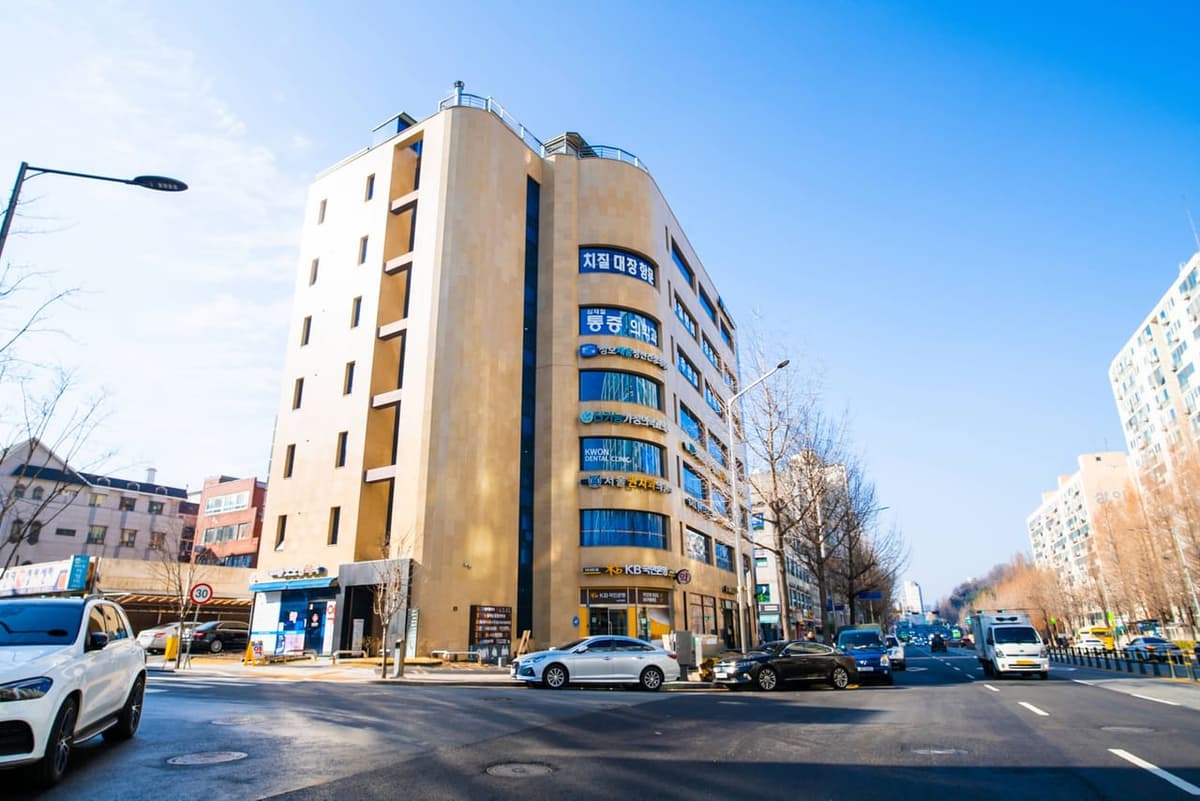
Open on public holidays, too
| Mon · Thu (late hours) | 09:30 – 21:00 |
|---|---|
| Tue · Wed · Fri | 09:30 – 18:30 |
| Sat · Public holidays | 09:30 – 14:00 |
| Lunch break (weekdays) | 13:00 – 14:00 |
| Sunday | Closed |
Open until 9 p.m. on Mondays and Thursdays, and until 2 p.m. on Saturdays and public holidays. Closed on Sundays.
KEEP WHAT'S ORIGINAL & NATURAL
Just leave your symptoms and contact details —
the dentist in charge will review them and get back to you.